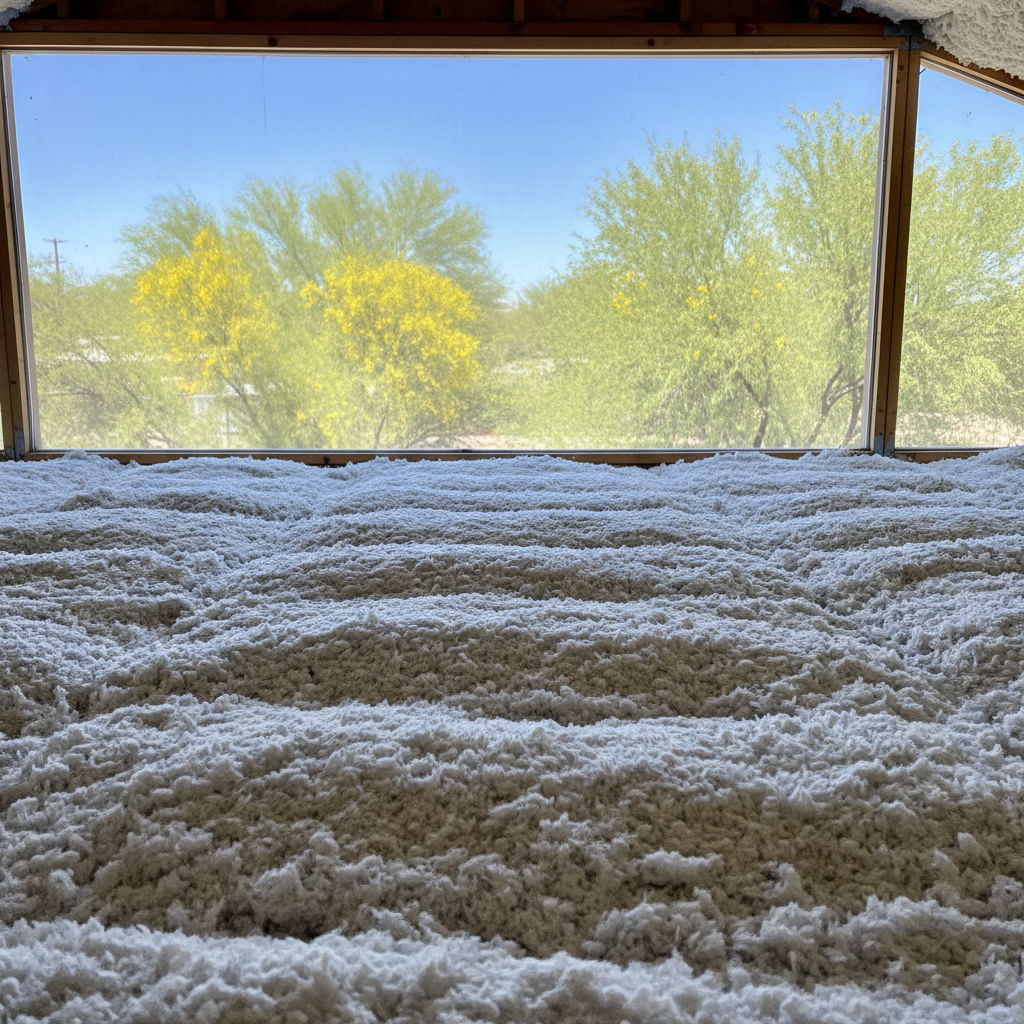
So, you've got blown-in insulation up in your attic. Good call for Tucson, especially with how scorching hot it gets here. It's a solid, cost-effective way to keep your home cool and stop your AC from running non-stop, right? But just like anything else, it's not really a "set it and forget it" kind of deal if you want it to work its best for decades.
I've seen my share of attics over the years, and honestly, a little bit of proactive care makes a huge difference. This isn't rocket science, but it can save you a ton of headaches and money later on.
Making Your Blown-In Insulation Last Longer
The main thing here is to keep that insulation fluffy and dry. When blown-in insulation — whether it's fiberglass or cellulose — gets squished down or wet, it loses its R-value. That means it stops doing its job as well, and then your energy bills start creeping up. Here's how you can keep it in top shape:
- Keep it dry: This is probably the most important one. Leaks from your roof, AC condensate lines, or even plumbing vents can totally soak your insulation. Once it's wet, especially cellulose, it can clump, settle, and even grow mold. Get any leaks fixed right away. I'm talking about those monsoon downpours that can find a weak spot in your roof in a hurry, you know?
- Don't squish it: If you're up in the attic for any reason — maybe checking wiring, running new cables, or just putting away holiday decorations — be super careful where you step. Use boards to spread your weight across the joists, not directly on the insulation itself. Every time you compress it, you're making it less effective.
- Good ventilation is key: Your attic needs to breathe. Proper attic ventilation helps push hot, humid air out, which keeps your insulation drier and cooler. This is super important in Tucson, where attic temperatures can easily hit 150 degrees or even more. If your vents (soffit, ridge, gable) are blocked by insulation or debris, clear them out.
- Pest control: Critters just love a warm, quiet attic. Rodents, birds, and even insects can nest in your insulation, compacting it, tearing it up, and leaving behind all sorts of waste. Seal up any entry points you can find around your eaves, vents, and fascia.
Regular Maintenance Checks
You don't need to be up there every single week, but a quick check once or twice a year can catch small problems before they become big ones. I usually tell folks to do it in the cooler months, like fall or early spring, so you're not baking in the summer heat.
- Look for wet spots or stains: This is your number one sign of a leak. Even a small water stain on the ceiling below usually means a bigger wet spot in the insulation above it.
- Check for settled areas: Is the insulation level? Are there any low spots or places where it looks thin? This could be from compression, moisture, or even just natural settling over many years.
- Critter evidence: Look for droppings, nests, or tunnels. If you see signs of pests, you'll need to deal with that quickly.
- Clear vents: Make sure your soffit vents aren't covered by insulation. You really want that airflow.
- Dust and debris: A little dust is totally normal, but a lot of dust or debris can point to other issues or just reduce airflow.
Warning Signs of Trouble
Your house will tell you when something's not quite right. Pay attention to these:
- Higher utility bills: If your energy bills suddenly jump without you using more or rates changing, your insulation might not be working like it should.
- Uneven temperatures: Are some rooms noticeably hotter or colder than others, even with the AC or furnace running? This can point to insulation problems in specific areas.
- Drafts: Feeling drafts, especially around ceilings or walls that lead to the attic, can mean your insulation has shifted or settled.
- Pest noises: Hearing scratching, scurrying, or chirping in your attic is a clear sign you've got unwanted guests.
- Ceiling stains or sagging: These are often direct indicators of water damage from above, which means your insulation is likely compromised.
When to Call a Professional
Some things you can handle yourself, like clearing a vent. But for others, it's best to call in someone who knows what they're doing. That's where folks like us at Tucson Spray Foam Solutions come in.
- Persistent leaks: If you've got a recurring leak that keeps soaking your insulation, you need a roofer first, and then an insulation pro to assess the damage and replace the affected material.
- Extensive pest infestations: If you've got a full-blown critter party in your attic, you'll need pest control to get rid of them, and then an insulation company to clean up the mess and replace damaged insulation. You definitely don't want to leave droppings and nesting materials up there.
- Significant settling or low R-value: If large areas of your insulation have settled and aren't providing enough coverage, you might need to add more. A professional can assess the current R-value and recommend the best course of action.
- Mold or mildew: If you find mold in your insulation, don't mess with it yourself. Mold can be a health hazard, and it often indicates a deeper moisture problem that needs professional remediation.
- Major damage: If your insulation is severely damaged, compressed, or contaminated, it might need to be removed and replaced entirely. That's a big job and definitely one for the pros.
Taking care of your blown-in insulation isn't a huge chore, but it's an important one. A little attention now can save you a lot of grief and money on your energy bills down the road. Keep it dry, keep it fluffy, and your home will stay comfortable.