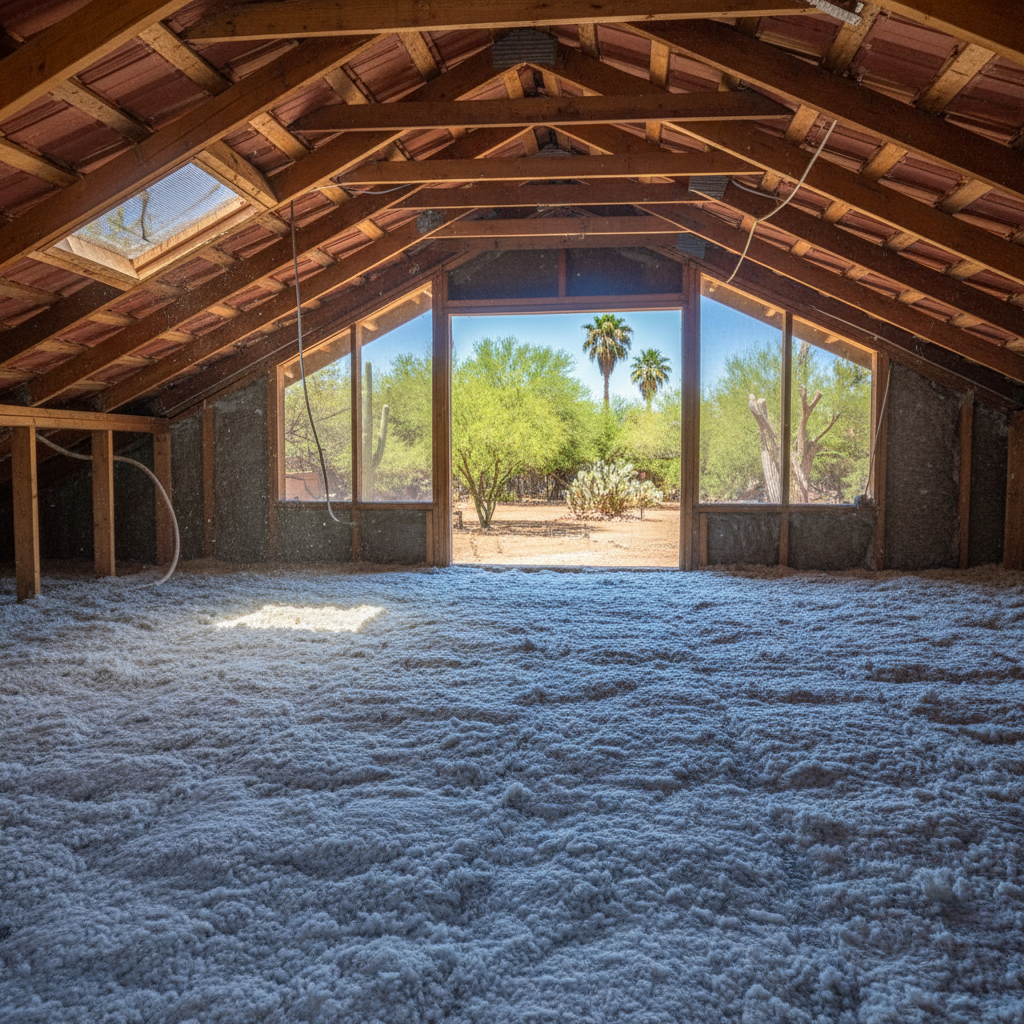
When's the best time to get blown-in insulation? That's a question I hear a lot, especially with our wild temperature swings here in Tucson. Folks often think insulation is just for summer, but it's really a year-round thing, and when you put it in can make a real difference.
When to Schedule Your Blown-In Insulation Job
Honestly, there's no truly "bad" time to add insulation if your home needs it. But some times are definitely better for scheduling, especially with blown-in products like cellulose or fiberglass. What you're really looking for is what I call the 'Goldilocks' zone for weather.
For most of us, that means aiming for spring or fall. Why? Because attic temperatures aren't hitting 150 degrees yet, and they're certainly not dropping below freezing. This makes the job safer and more comfortable for my crew, which means they can work more efficiently. When we're not battling extreme heat, we can get in and out quicker, and that's good for everyone involved, right?
Summer's tough. We do work in the summer, of course, but it's absolutely brutal up there. We start early, take more breaks, and it just takes longer. Winter isn't usually as bad, but if we get a cold snap, especially with some of that rare Tucson rain, it can slow things down or even make us reschedule for safety reasons.
Weather That Affects the Work
Our desert climate throws a few curveballs when it comes to insulation work. Here's what I'm always watching:
- Extreme Heat: Like I said, summer attic temps are no joke. It's not just about comfort; it's a serious safety issue. We've got specialized gear and protocols for it, but if it's 115 degrees outside, it's going to be way, way hotter in your attic.
- Rain and Humidity: Blown-in insulation, especially cellulose, needs to stay dry during installation. If it's raining, or if we've had a lot of humidity (which is rare but happens during monsoon season), we've got to be extra careful. You absolutely don't want wet insulation going in. It can clump, lose its R-value, and even lead to mold down the line. We'll always check the forecast and make sure conditions are right before we start a job.
- Wind: This one's more for the crew. If we're setting up equipment outside and it's super windy, it can make things tricky, especially with the hoses and material. It's not usually a deal-breaker, but it's definitely something we consider.
So, while we can work in most conditions, aiming for those milder shoulder seasons just makes everything smoother. You'll often find it easier to schedule too, as those are usually less busy times for us compared to the peak summer rush.
Protecting Your Blown-In Insulation Investment Year-Round
Once that blown-in insulation is in your attic, you want it to perform for years. It's a big investment in your home's comfort and energy bill, after all. Here's how to make sure it lasts:
- Keep it Dry: This is the most important thing. Any leaks in your roof, around vents, or from AC condensate lines can absolutely ruin insulation. Water compresses it, reduces its R-value, and can cause mold. If you see water stains on your ceiling, get that leak fixed ASAP, then call us to assess the insulation.
- Ventilation is Key: Proper attic ventilation helps manage heat and moisture. In Tucson, this is crucial. A well-ventilated attic helps keep the insulation from getting superheated and also prevents moisture buildup from things like bathroom fans. If your attic isn't breathing right, it's not just bad for your insulation, it's bad for your whole roof system.
- Don't Disturb It: Try not to walk on or compress your insulation. If you need to go into the attic for any reason – maybe to check your AC unit or run a new cable – use boards to create walkways. Compressed insulation loses its effectiveness, simple as that.
- Pest Control: Critters love attics. Birds, rodents, even scorpions can make a home in your insulation. They can nest, compact it, and leave waste. Make sure your attic is sealed up tight to prevent entry. I've seen attics in older neighborhoods like Sam Hughes that are practically open invitations for pests. If you suspect you have an issue, get it handled by a pest control professional before it damages your insulation.
- Regular Check-ups: It's not a bad idea to have your attic insulation checked every few years, especially if you notice your energy bills creeping up or uneven temperatures in your home. We can spot issues like settling, damage, or areas that might need a top-up.
Blown-in insulation is fantastic for Tucson homes. It fills those weird gaps and corners that batts just can't, giving you a really tight thermal envelope. Just make sure you're thinking about the timing for installation and how to protect it once it's in. If you've got questions about your specific home or want to talk about getting a quote, give us a call at Tucson Spray Foam Solutions. We're always happy to help you figure out the best plan.