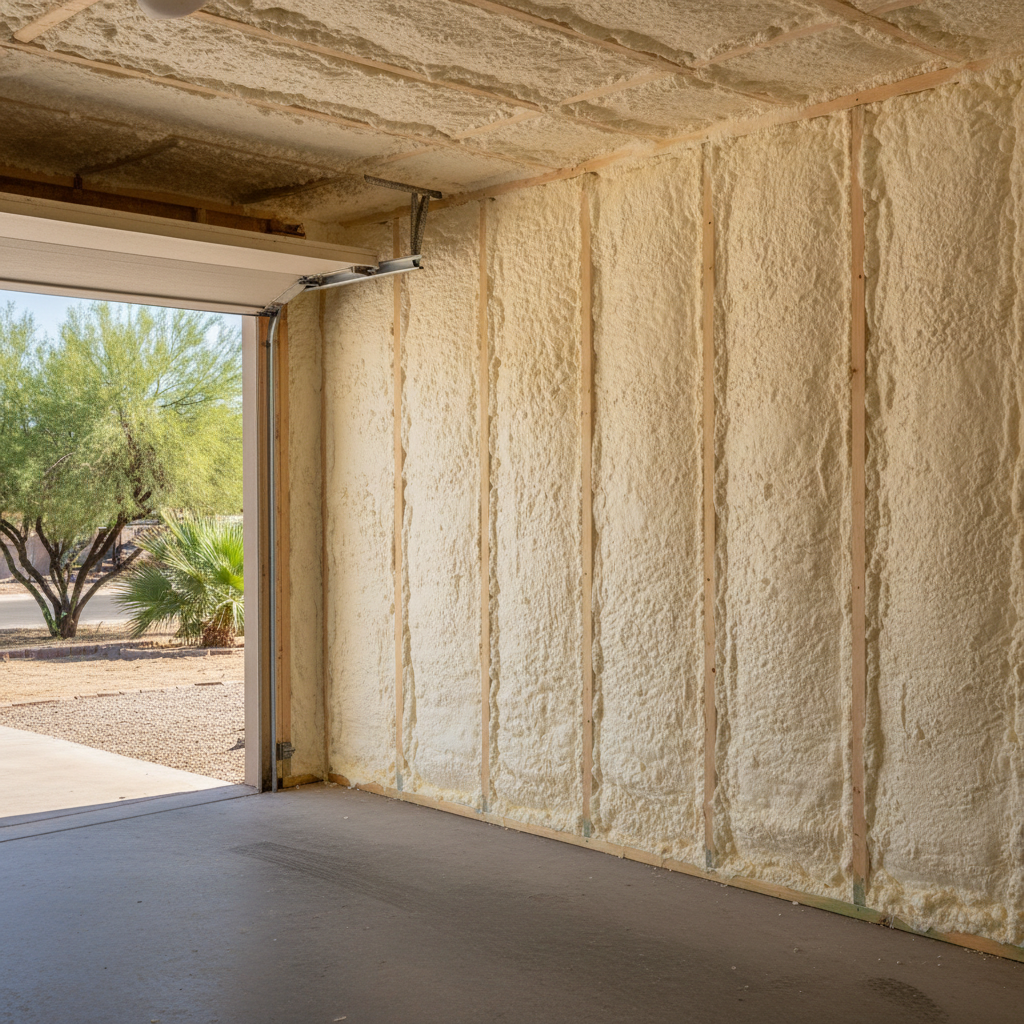
You're probably asking yourself, "Do I really need to insulate my garage here in Tucson?" It's a common question, especially when that summer sun starts baking everything. I get it. Your garage might feel like an oven or a freezer, depending on the season, and you're looking for solutions. I've been helping folks around here with insulation for years, and I've heard just about every question in the book when it comes to garages. So, let's cut through the noise and get to what you really need to know.
Why bother insulating my garage in Tucson?
Look, it gets hot here. Really hot. Your garage isn't just a place to park your car; it's often a workshop, a storage area, or even a converted living space. Without insulation, that heat just pours in through the walls and especially the garage door. It makes your whole house work harder because the heat radiates into adjacent rooms, driving up your AC bill. In the winter, it's the opposite – cold seeps in, making things uncomfortable. A properly insulated garage helps maintain a more stable temperature, protects stored items from extreme heat, and can even make your home more energy-efficient overall. Plus, if you've got a room above the garage, insulating the garage ceiling can make a huge difference in that room's comfort.
What's the best type of insulation for a garage?
This isn't a one-size-fits-all answer, but I can tell you what I usually recommend for Tucson garages. For walls and ceilings, batt insulation (fiberglass or mineral wool) is a common, cost-effective choice, especially if you're finishing the walls with drywall. But if you're really looking for top-tier performance, especially with our extreme temperatures, spray foam insulation is hard to beat. It seals all the little gaps and cracks, creating an air barrier that batt insulation just can't match. It's more expensive upfront, but the energy savings and comfort improvements are significant. For garage doors, you can get rigid foam panels that fit right into the door sections. It's a relatively easy DIY project, or we can handle it for you.
Will insulating my garage make my house cooler?
Absolutely. Think of your garage as a buffer zone. If it's 110 degrees outside and your uninsulated garage is hitting 120 degrees, that heat isn't staying put. It's going to find its way into your home, especially through shared walls and ceilings. By insulating the garage, you're reducing that heat transfer. Your AC won't have to work as hard to cool the rooms next to the garage, and your whole house will feel more consistent. It's not just about comfort; it's about saving money on your utility bills. I've seen it make a noticeable difference for homeowners, especially in older homes around areas like Sam Hughes where garages might not have been a priority for insulation originally.
How much does garage insulation cost?
This is where it gets tricky because it depends on a few things: the size of your garage, the type of insulation you choose, and whether you're insulating walls, ceiling, or just the garage door. Batt insulation is generally the most affordable, often ranging from a few hundred to a couple of thousand dollars for a typical two-car garage, including installation. Spray foam is a bigger investment, usually starting in the low thousands and going up from there, but it pays for itself over time in energy savings and comfort. Garage door insulation kits are usually the cheapest option, often under a couple hundred bucks if you do it yourself. The best way to get an accurate number is to have us come out and take a look. We can give you a solid estimate based on your specific needs and what you're trying to achieve.
Can I insulate my garage myself?
You can, for some parts of it. Insulating a garage door with rigid foam panels is a pretty straightforward DIY project. If you're comfortable with a utility knife and measuring tape, you can probably tackle that. For walls and ceilings, if you're just putting in batt insulation and plan to drywall over it, it's also doable for a handy homeowner. However, dealing with spray foam insulation is a whole different ballgame. It requires specialized equipment, proper safety gear, and expertise to apply correctly. If it's not done right, you can end up with uneven coverage, off-gassing issues, or a big mess. For that, I'd strongly recommend calling in the pros like us at Tucson Spray Foam Solutions. We've got the tools and the know-how to get it done right the first time.
What about insulating the garage door itself? Is that enough?
Insulating the garage door is a great first step, and it definitely helps. That big door is a huge thermal bridge, letting a lot of heat in and out. Adding insulation panels to it will make a noticeable difference, especially if you spend time in the garage. But is it enough? Probably not on its own, especially if your garage walls and ceiling are completely uninsulated. Think of it this way: you wouldn't just insulate one wall of your house and expect it to be comfortable. For maximum impact, you really need to address all the surfaces that are exposed to the outside – the door, the walls, and the ceiling. Each piece works together to create a more effective thermal envelope.
How long does garage insulation last?
Good quality insulation, properly installed, should last for decades – often for the lifetime of your home. Fiberglass and mineral wool batts don't really degrade unless they get wet or are disturbed. Spray foam insulation is even more durable; once it cures, it's a stable, long-lasting barrier. The rigid foam panels in garage doors will last a long time too, though they might get dinged up over the years if you're not careful. The main thing that can shorten insulation's lifespan is moisture, pests, or damage during renovations. As long as it stays dry and undisturbed, you shouldn't have to worry about replacing your garage insulation for a very long time.